


Warehouses to let in Jet Park near OR Tambo for logistics operations
200m²–10,000m² warehouses in Jet Park, including The Palisades and Khulani Business Park, suited to logistics and distribution businesses
Introduction
If you’re looking at Jet Park, there’s usually a reason behind it. Either your current setup isn’t working as efficiently as it should, or you’re planning ahead and need better access to OR Tambo International Airport and the main routes. Most businesses don’t land here by chance. They’re solving a logistics problem.
Jet Park has built its reputation around that. It’s a working industrial node with a clear purpose. Movement drives everything. Trucks, freight, warehousing, distribution. If your business depends on getting goods in and out without delays, this area keeps coming up.
I’ve worked with a mix of tenants here over time. Smaller distributors moving out of tight inner-city spaces, national operators consolidating closer to the airport, and logistics businesses scaling into larger facilities. The pattern is consistent. Access improves, turnaround times tighten, and operations become more predictable.
This guide breaks down what Jet Park actually looks like on the ground. What you’ll pay, how different buildings perform, and where businesses tend to get caught out.
Area Overview
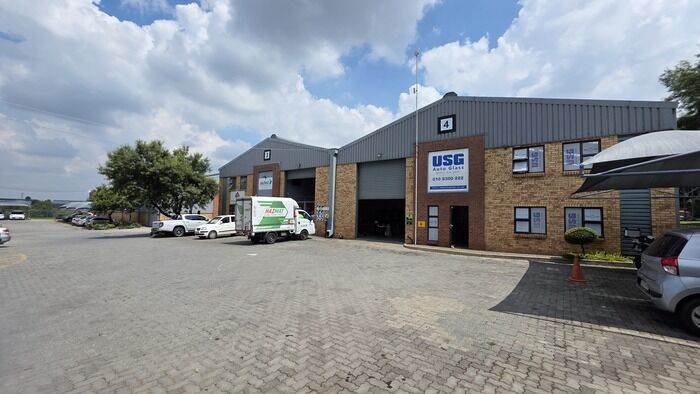
Jet Park sits on the western side of Boksburg and forms part of the East Rand industrial corridor. It connects directly into the airport logistics belt alongside Isando, Spartan and Pomona. That positioning is what gives it long-term relevance.
The area developed around aviation-linked warehousing, and that influence is still visible. Roads are wider than older industrial nodes, and stand layouts are generally more practical. You don’t deal with the same tight, awkward access that slows truck movement in older areas.
Key roads include Yaldwyn, Kelly, Jansen and Rondebult. These are working routes built for heavy vehicle movement, and they handle that role well.
Stand configuration is another advantage. Most sites are rectangular, which makes yard layout and truck circulation more efficient. It’s a small detail, but it directly affects how your operation runs.
Jet Park is also firmly industrial. There’s very little pressure from residential or retail encroachment, which keeps the node stable and predictable.
Business and Market Insights
The tenant base in Jet Park is built around logistics and movement.
You’ll typically find:
freight forwarders
air cargo operators
distribution companies
automotive supply chains
FMCG storage and dispatch
light industrial users
There’s a strong presence of multinational operators, and that stabilises the node. Smaller businesses tend to cluster nearby to support those operations, which creates a network effect across transport, warehousing and services.
Demand has remained steady over time. Even when the broader market softens, Jet Park tends to hold its position because of its location. Vacancy is usually tight, especially for well-located buildings with proper yard space and good height.
There’s been a shift toward mid-size units between 1,000m² and 3,000m², driven by e-commerce and regional distribution. Larger logistics facilities are still in demand from national operators looking to centralise.
Rental Levels and What You’re Paying For
Industrial rentals in Jet Park follow a fairly clear range, but the detail behind the rate matters more than the number itself.
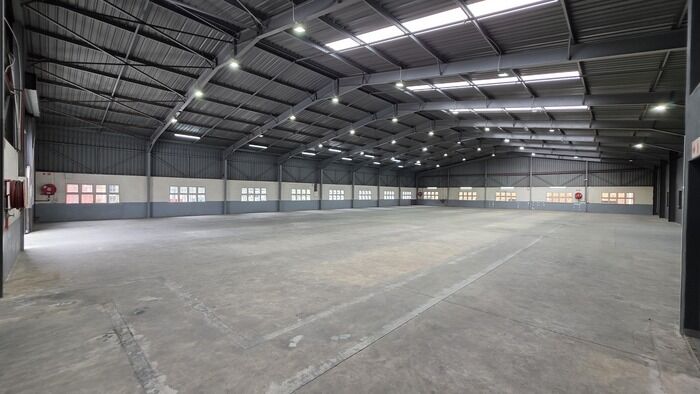
At R55 to R65 per m², you’re typically looking at older standalone warehouses. Lower eaves, basic offices, and limited yard space. These can work for storage or lower-volume operations.
Between R65 and R75 per m², you’ll find refurbished units or space in secure parks. Better height, improved offices, and more controlled access. For many businesses, this is the balance point.
From R75 up to R90 per m², you’re into A-grade logistics facilities. Higher eaves, larger yards, multiple roller shutter doors, and often dock levellers and sprinkler systems. These are designed for efficiency.
Unit sizes range from around 200m² to over 10,000m². Larger facilities usually come with more tailored lease structures depending on power, yard depth and tenant requirements.
One mistake tenants make is focusing only on the rental rate. In practice, yard space, access and internal height often have a bigger impact on operating cost.
Infrastructure and Accessibility
Access is the reason Jet Park works.
You’re positioned alongside the R21, linking north to Pretoria and south toward OR Tambo International Airport. The R24 connects into Johannesburg, while the N12 and N3 open up broader national routes.
OR Tambo International Airport is about five minutes away in light traffic. Even in busier conditions, it remains within a practical range.
Johannesburg CBD is around 25 kilometres away, and Sandton is typically a 30 to 35 minute drive outside peak hours.
Congestion is part of the reality. R21 offramps and key intersections slow down during late afternoon dispatch windows. Where you position yourself within Jet Park can affect your daily efficiency more than you’d expect.
Public transport is mainly supported by minibus taxi routes. Many larger businesses run shuttle services to manage staff movement.
Most properties are zoned Industrial 1, allowing for warehousing, manufacturing and distribution. Three-phase power is standard, although capacity varies.
Load shedding remains a factor. Many buildings now include generators or solar systems. Fibre connectivity is widely available.
Property Landscape
The Palisades, Kelly Street
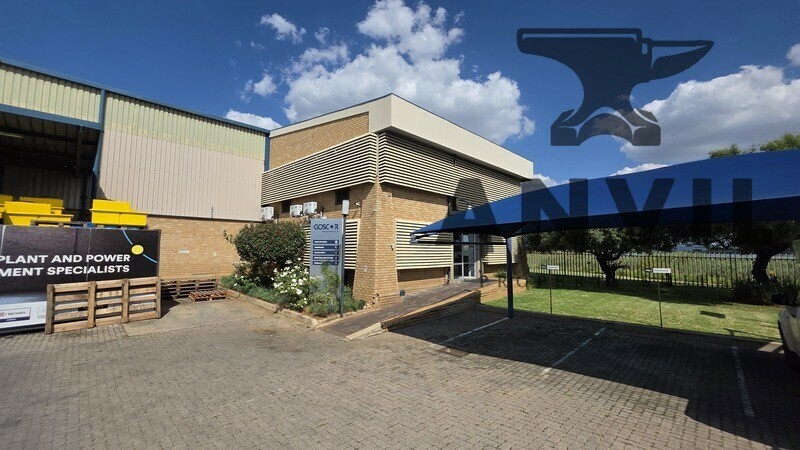
The Palisades is one of the more polished sectional title options in Jet Park. Units usually range between 300m² and 500m². The office components are well finished, typically a mix of open-plan and private offices, which works for businesses that need both admin and operational space.
Warehouses offer good internal height and reliable three-phase power. Some units include dock levellers, which is not always standard at this size. Access via Kelly Street is straightforward, which helps with daily movement. It suits smaller distributors or businesses stepping into more structured industrial space.
Industrial Village, Kelly Street
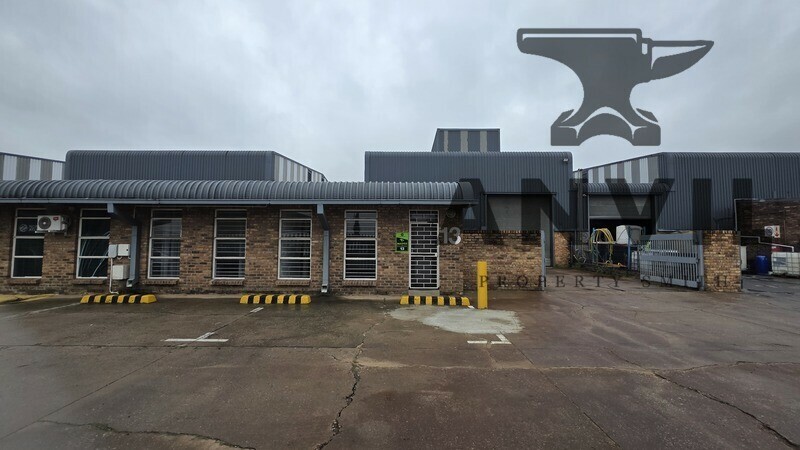
Industrial Village operates in a similar size bracket but is more practical in its setup. Units range from about 300m² to 1,000m². You get office space, roller shutter access and three-phase power, without the higher-end finishes.
Truck access is the main limitation. Larger articulated vehicles can be tight, so it’s better suited to businesses using smaller delivery vehicles. For the right operator, it’s a cost-effective option in a well-located part of Jet Park.
Khulani Business Park
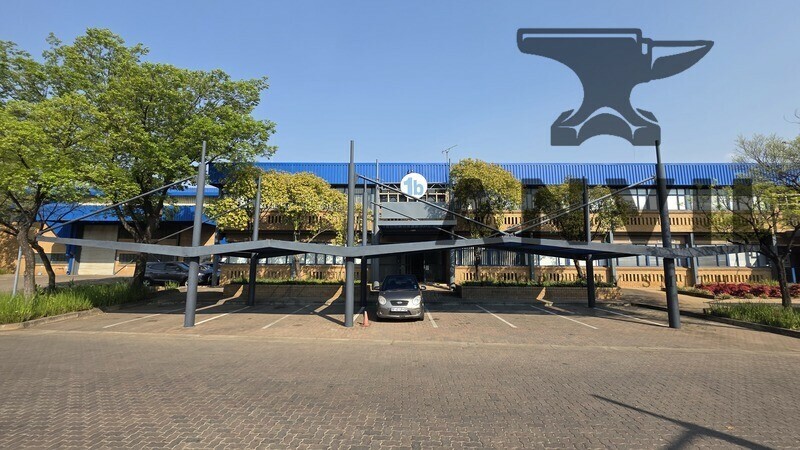
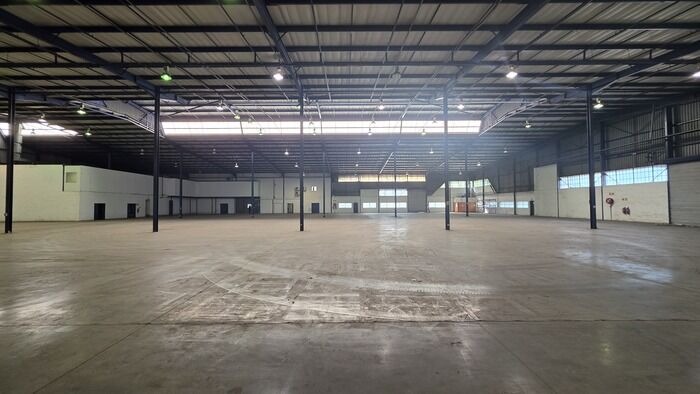
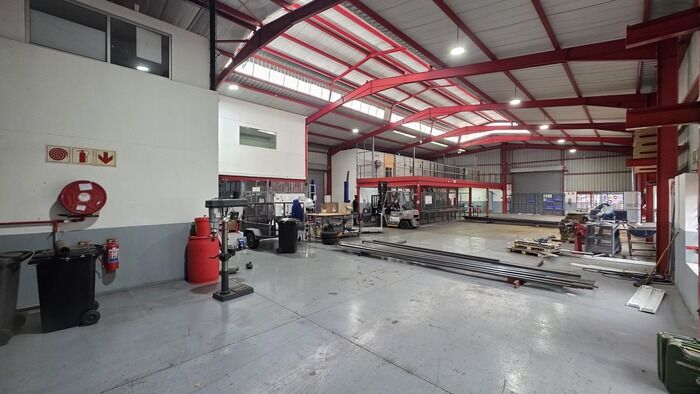
Khulani caters to larger logistics operations. Units range from around 4,000m² up to 10,000m². These are proper distribution-grade buildings with higher eaves, dock and on-grade loading, sprinkler systems and large yards.
The yard depth allows for full truck articulation, which is critical for high-volume operations. Office components are more substantial, and staff facilities are better suited to larger teams. This type of space is built for throughput.
Equites Jet Park Developments
Equites developments represent the newer end of the market. Facilities in the 7,000m² to 10,000m² range come with around 15.5 metre eaves height, multiple loading points, and full sprinkler systems.
Yard depths of around 50 metres support larger fleet movement and efficient dispatch. These buildings are aimed at national operators or businesses that need high-spec logistics space.
Innes Road Development (Abbeydale / Civils)
This newer development along Innes Road is expected to deliver units around 3,000m². It fills the gap between smaller park units and large distribution centres.
The appeal is modern spec without going into full big-box scale. Businesses that have outgrown smaller units but don’t need 8,000m² yet tend to look at this type of space.
Across all of these options, Jet Park accommodates:
smaller growing businesses
mid-size operators
large logistics users
spec-driven tenants
The key is matching the building to how your operation actually runs.
Incentives and Lease Options
Lease structures are fairly standard but flexible depending on the property.
Most leases run between three and five years. Larger facilities often require longer commitments, especially where landlords invest in tenant-specific improvements.
Landlords may offer:
tenant installation allowances
rent-free periods
structured escalation deals
Escalations typically sit between 7 and 9 percent annually.
There is still room to negotiate in the current market, particularly on older buildings or larger vacancies.
Who Jet Park Works For
Jet Park works best for businesses that rely on movement.
It suits:
logistics companies
freight operators
distribution businesses
supply chain operations
If you don’t need airport proximity or highway access, you may end up paying for advantages you don’t fully use.
It’s also not suited to retail-facing businesses.
Micro-Location Matters
Not every part of Jet Park performs equally.
Some streets handle truck movement better. Others experience more congestion. Being closer to main roads can reduce travel time but increase traffic exposure.
This is where tenants often get caught out, the building works, the rental makes sense, but daily logistics don’t quite line up.
Future Development and Market Direction
Jet Park is a mature node, so expansion is limited. Growth comes from redevelopment and upgrades.
There’s a shift toward:
modern A-grade warehouses
solar and backup power
improved security
refurbished stock
Demand from logistics and e-commerce continues to drive take-up.
Lifestyle and Quality of Life
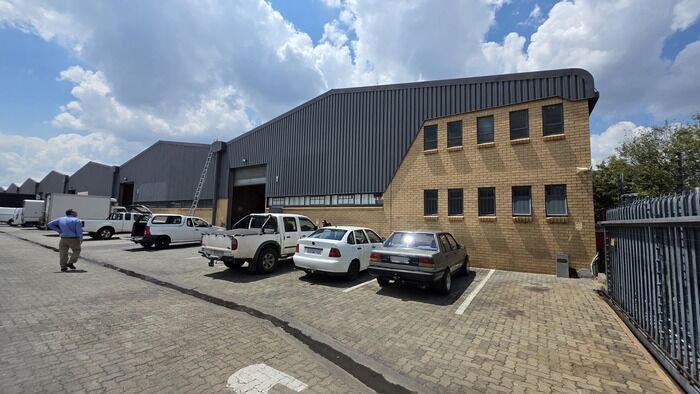
Jet Park is purely industrial but supported by nearby residential areas.
East Rand Mall is about 10 minutes away, providing retail and services. Bonaero Park and surrounding suburbs house much of the workforce.
From a practical perspective:
fuel stations
food outlets
medical services
banking access
For most businesses, the focus is on staff reliability and operational consistency.
Final Thoughts and Broker Summary
Jet Park is built for logistics. It does that well, and it’s not trying to be anything else.
Rental levels between R55 and R90 per m² remain competitive given the location. There’s a wide range of options, from smaller park units like The Palisades and Industrial Village to larger facilities in Khulani and newer Equites developments.
For tenants, the focus should be on operational fit. Yard space, access and building design matter more than rental alone.
For investors, low vacancy and steady demand support long-term stability.
The biggest risk isn’t choosing Jet Park. It’s choosing the wrong building within it. Get that wrong and you feel it every day in delays and inefficiencies. Get it right and your operation run smoother than it should

 0
0